☎ +91-997-144-4315

MBR Technology

Membrane Bioreactors (MBR)

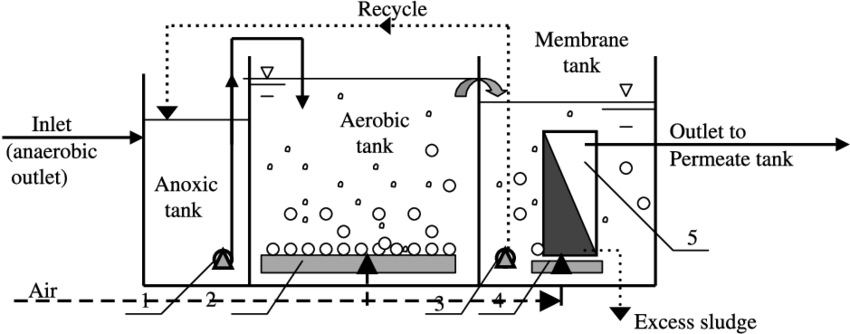
MBR is a modern wastewater treatment method that combines biological cleaning with super-fine filters. Instead of separate tanks, MBR uses one tank with special membranes that trap tiny particles and bacteria, leaving clean water behind. This saves space and produces very clean water, but it costs more than older methods.

Membrane Bioreactors (MBR) revolutionize wastewater treatment by merging biological degradation with membrane filtration. Unlike traditional two-stage processes, MBRs employ microfiltration or ultrafiltration membranes within the bioreactor, simultaneously separating treated water from solids and microorganisms. This compact and versatile technology delivers high-quality effluent, reduces footprint, and adapts to diverse applications, but requires careful consideration of membrane maintenance and associated costs.

Tired of bulky wastewater treatment plants and murky discharge? MBRs offer a solution! These innovative systems combine powerful biological treatment with ultra-fine filtration, resulting in crystal-clear water, saving space, and adapting to various needs. While requiring upfront investment, MBRs ultimately deliver superior water quality and operational efficiency.

100+ Projects Done

MBBR Technology

Moving Bed Biofilm Reactors (MBBR)

MBBR skips the separate stages of traditional treatment by using plastic carriers in an aerated tank. Microbes colonize these carriers, efficiently breaking down sewage and industrial pollutants. This flexible, space-saving approach handles variable loads well, making it popular for diverse treatment needs.

Moving Bed Biofilm Reactors (MBBR) combine activated sludge principles with biofilm processes. Plastic carriers with high surface area harbor diverse microorganisms that degrade organic and inorganic pollutants in aerated wastewater. Separation of treated water and carriers allows continuous treatment while minimizing sludge production. MBBR's adaptability and efficiency in handling high loads make it a popular choice for municipal and industrial wastewater treatment, as well as upgrading existing plants.

Ditch the bulky tanks and messy sludge! MBBR's ingenious carriers host an army of microscopic helpers that devour pollutants in wastewater. This compact, adaptable system handles heavy loads like a champ, giving you cleaner water, less space hassle, and even reduced sludge to deal with. Perfect for cities, factories, and even revamping tired old treatment plants, MBBR delivers efficiency and results.

100+ Projects Done

SBR Technology

Sequential Batch Reactor (SBR)

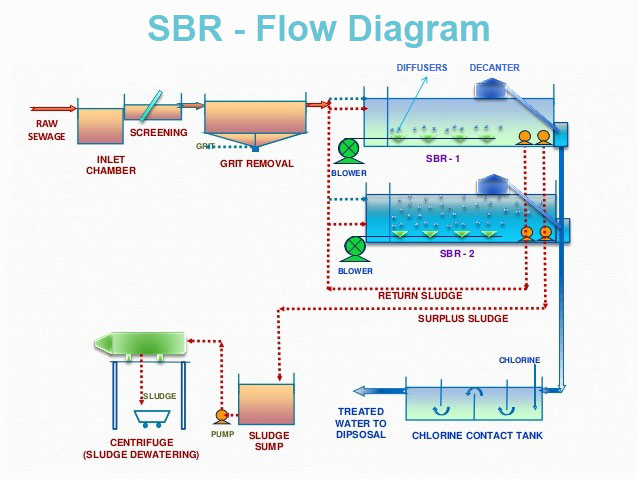
SBR can stand for a type of wastewater treatment system known as the Sequential Batch Reactor. In this system, wastewater is treated in batches rather than continuously. The process involves a sequence of filling, reacting, settling, and decanting phases within a single tank.

The SBR's Cleansing Symphony:
Filling Up: The journey begins with the tank filling up with influent wastewater – raw, untreated water in need of purification. Picture murky, nutrient-rich water entering the tank, ready for its makeover.
SBR tank being filled with influent wastewater
The Aerobic Feast: Buckle up for the main event! In the aeration/reaction phase, air bubbles dance through the water, creating a bubbly haven for microscopic heroes – microorganisms. These tiny marvels, fueled by the oxygen, feast on organic pollutants, breaking them down and transforming them into harmless byproducts. Imagine billions of miniature chefs whipping up a delicious (for them) and clean (for us) concoction.
SBR tank with aeration bubbles and microorganisms
Time to Settle: After the energetic feast comes a period of peace. The aeration stops, and the tank enters the settling phase. Picture the water calming down, allowing solid particles and the activated sludge, now laden with processed pollutants, to gracefully sink to the bottom. Think of it as the confetti settling after a vibrant celebration.
Crystal Clear Decanting: Now for the grand reveal! The decanting phase carefully siphons off the effluent, the crystal-clear water that has been purified by the microbial feast. Imagine sparkling, clean water flowing out of the tank, ready for further treatment or safe discharge.
SBR tank decanting the clarified effluent
Sludge Shuffle: But wait, there's more! The remaining sludge at the bottom isn't waste – it's a treasure trove of microorganisms. This valuable resource is retained for the next cycle, ensuring a ready-made crew for the next round of wastewater transformation. Think of it as saving the best dancers for the next party.
Tank Refresh: Finally, the tank takes a breather in the idle phase. Any remaining liquid is drained, and the system preps for a fresh batch. Picture the stage being reset, ready for the next wastewater waltz.
This cyclical dance of filling, aerating, settling, decanting, and idling makes the SBR system incredibly versatile. It can handle fluctuating wastewater flows and varying pollution levels with ease, making it a popular choice for small to medium-sized treatment plants.

Tired of bulky wastewater treatment plants and murky discharge? MBRs offer a solution! These innovative systems combine powerful biological treatment with ultra-fine filtration, resulting in crystal-clear water, saving space, and adapting to various needs. While requiring upfront investment, MBRs ultimately deliver superior water quality and operational efficiency.
100+ Projects Done

HSBR Technology

High-Strength Bioreactor (HSBR)

The High-Strength Bioreactor (HSBR) isn't your average lab flask. It's a powerhouse in the realm of bioprocessing, designed to handle demanding reactions and harsh conditions that would faze conventional equipment. Imagine a pressure cooker for microbes, but on a much larger and more sophisticated scale!

Extreme Resilience: Built with robust materials like stainless steel and high-performance alloys, HSBRs can withstand high pressures (up to 100 MPa) and temperatures (reaching 300°C). Think volcanic vents meets scientific precision.
HighStrength Bioreactor (HSBR) with its robust stainless steel construction Versatility Unbound: From enzyme reactions and fermentation processes to hydrothermal liquefaction and biomass conversion, HSBRs tackle a diverse range of bioprocessing challenges. It's like a culinary master capable of whipping up everything from delicate pastries to fiery stews.
Enhanced Efficiency: The controlled environment within the HSBR maximizes reaction rates and product yields. Think turbocharged bioprocessing, leading to faster results and greater resource optimization.
Safety First: Advanced safety features like pressure relief valves and rupture discs ensure safe operation even under extreme conditions. It's like having a fire marshall and a bodyguard for your delicate microbial experiments.

Tired of bulky wastewater treatment plants and murky discharge? MBRs offer a solution! These innovative systems combine powerful biological treatment with ultra-fine filtration, resulting in crystal-clear water, saving space, and adapting to various needs. While requiring upfront investment, MBRs ultimately deliver superior water quality and operational efficiency.Bioenergy production: HSBRs can efficiently convert biomass into biofuels like ethanol and biodiesel.
Chemical synthesis: They enable the production of high-value chemicals and pharmaceuticals under extreme conditions.
Environmental remediation: HSBRs can be used to degrade pollutants and clean up contaminated sites.
Food and beverage processing: They can optimize food fermentation and extraction processes.

30+ Projects Done

ACTIVATED SLUDGE PROCESS

ACTIVATED SLUDGE PROCESS

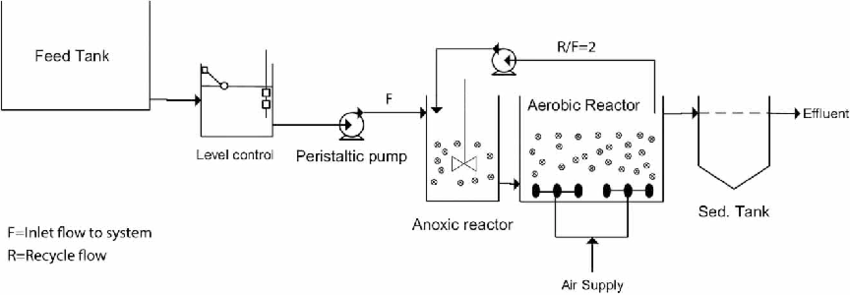
Imagine a hidden city beneath the surface, teeming with microscopic heroes feasting on pollutants and transforming murky wastewater into cleaner streams. That's the magic of the Activated Sludge Process, a champion in the world of wastewater treatment.

Hungry Mob: The adventure starts in the aeration tank, where raw wastewater meets a bustling community of microorganisms. These tiny titans, mostly bacteria, thrive in oxygen-rich environments, just like you and me (except for the microscopic size part, of course!).
Bubbly Feast: To keep the party going, air is constantly pumped into the tank, creating a bubbly haven for our microbial heroes. Think of it as their personal buffet, fueling their tireless work of breaking down organic pollutants in the wastewater.
Settling Down: After the feast, it's time to chill. The water flows into a settling tank, where the activated sludge, now laden with digested pollutants, gracefully sinks to the bottom. Imagine the confetti settling after a vibrant celebration, leaving behind clear water at the top.
Recycling Champions: But wait, the party's not over! Some of the settled sludge, rich in microorganisms, is sent back to the aeration tank. Think of it as saving the best dancers for the next round, ensuring a ready-made crew for the next wave of wastewater.
A Powerhouse for Clean Water: This cyclical dance of aeration, settling, and sludge recycling makes the Activated Sludge Process incredibly effective. It tackles organic pollutants, suspended solids, and even nutrients, leaving behind cleaner water ready for further treatment or safe discharge.

Versatile champion: Adapts to different wastewater types and treatment goals.
Microscopic marvels: Powerful microorganisms handle the dirty work efficiently.
Sustainable cycle: Sludge recycling reduces waste and saves resources.
Widely used: A trusted method in countless wastewater treatment plants.
So, the next time you turn on the tap, remember the silent heroes beneath the surface – the tiny titans of the Activated Sludge Process, working tirelessly to ensure clean water for all..

30+ Projects Done