Sewage treatment plants are the silent guardians of our environment and public health, transforming foul wastewater into pristine effluent suitable for release or reuse. This intricate process transcends mere removal of debris; it's a multi-stage symphony of physical, chemical, and biological transformations, each note vital to the harmonious outcome.
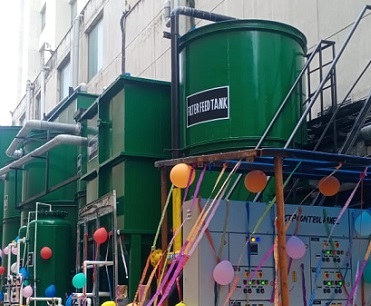
A sewage treatment plant (STP) is a facility designed to treat and process wastewater from residential, commercial, and industrial sources before releasing it back into the environment or returning it for reuse. The primary goal of sewage treatment is to remove contaminants and pollutants from the wastewater to prevent environmental pollution and protect public health.
Stage 1: The Screening Symphony:
Incoming wastewater first encounters a series of screens, meticulously filtering out the coarse orchestra of unwanted objects like rags, plastics, and leaves. These potential troublemakers could wreak havoc on downstream equipment, creating discord in the treatment process.
Stage 2: The Settling Serenade:
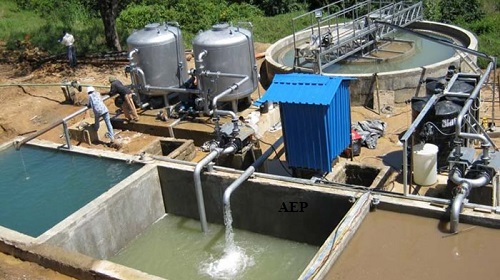
The screened wastewater then enters vast sedimentation tanks, resembling tranquil lagoons. Gravity takes center stage, coaxing heavy, settleable solids to descend and form "primary sludge" at the bottom, leaving a clarified supernatant to flow onward.
Stage 3: The Biological Ballet:
Now comes the true heart of the treatment – the biological stage. Aeration tanks transform into bustling ballrooms, teeming with microscopic dancers – specialized bacteria and microorganisms. These tireless performers orchestrate the decomposition of organic matter, effectively reducing pollutants and purifying the water. Different choreographies exist, like the activated sludge waltz, where bubbles keep the bacteria in a perpetual foxtrot, or the trickling filter tango, where wastewater cascades over biofilms on filter media, fueling a microbial feast.
Stage 4: The Tertiary Touch-Up (Optional):
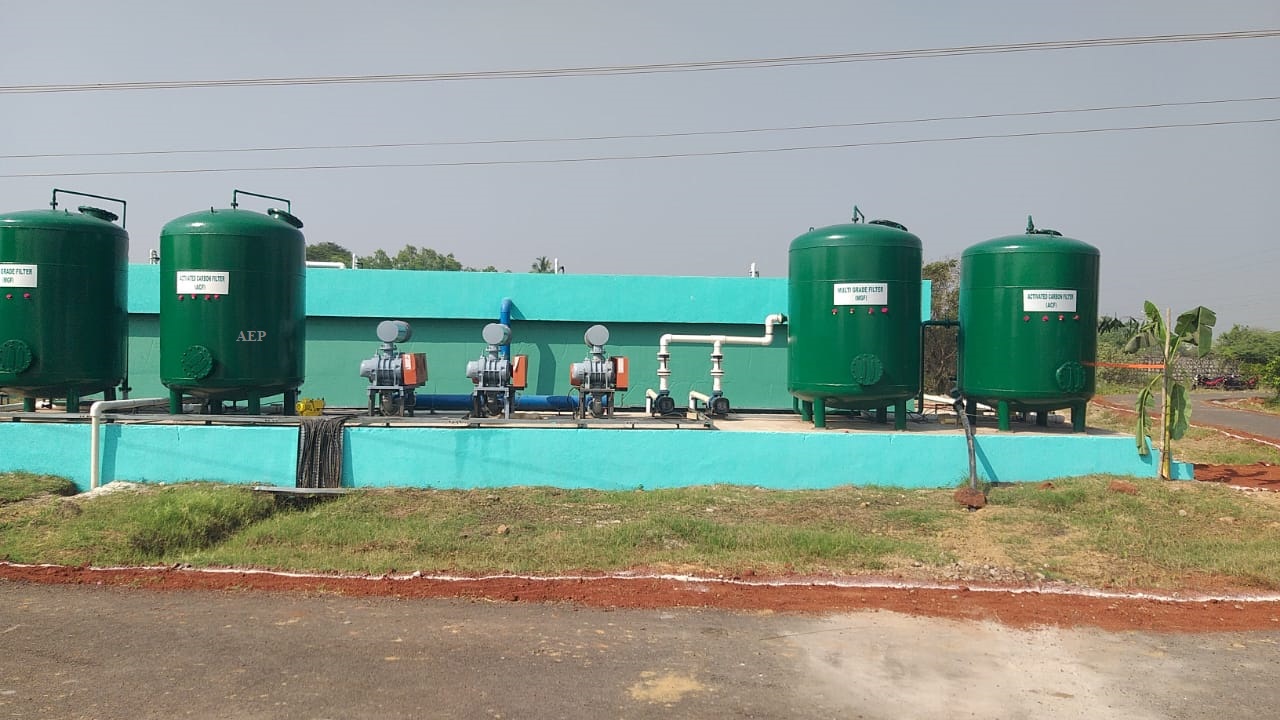
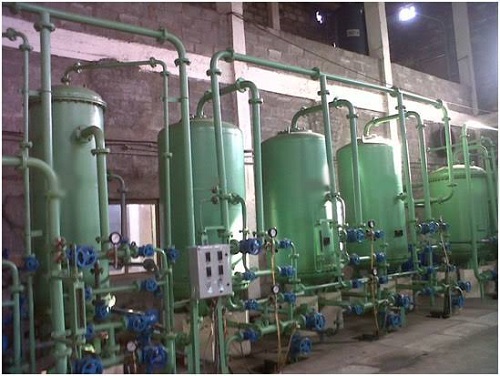
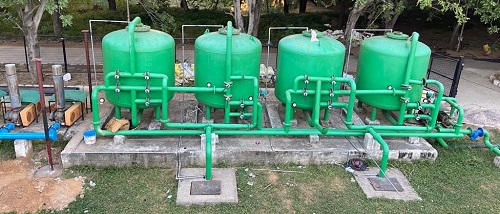
For situations demanding stricter quality standards, the effluent may waltz into the tertiary treatment suite. Here, advanced techniques like sand filtration, chemical precipitation, and membrane technologies polish the water further, removing lingering nutrients, pathogens, and recalcitrant contaminants.
Stage 5: The Disinfection Finale:
Before rejoining the natural world, the treated water undergoes a final, crucial act – disinfection. Chlorine, ultraviolet light, or ozone act as the curtain call, eliminating any remaining microbial threats, ensuring the safety of receiving waters or intended reuse applications.
100+ Projects Done