
Understanding the Sources:
Train Washing:
Washing facilities produce wastewater laden with detergents, grease, and other cleaning agents. Treating this water before discharge is crucial to safeguard aquatic ecosystems.Maintenance Activities:
Oils, solvents, and metal particles generated during maintenance activities pose significant contamination risks if not handled properly.Stormwater Runoff:
Rainwater flowing through railway yards can pick up pollutants like oil, grease, and sediment. Managing stormwater runoff effectively prevents soil erosion and water contamination.Onboard Wastewater:
Wastewater from toilets and sinks on passenger and crew compartments requires proper collection and treatment before disposal, typically at designated facilities during scheduled stops.Implementing Effective Treatment Strategies:
On-site Treatment Plants:
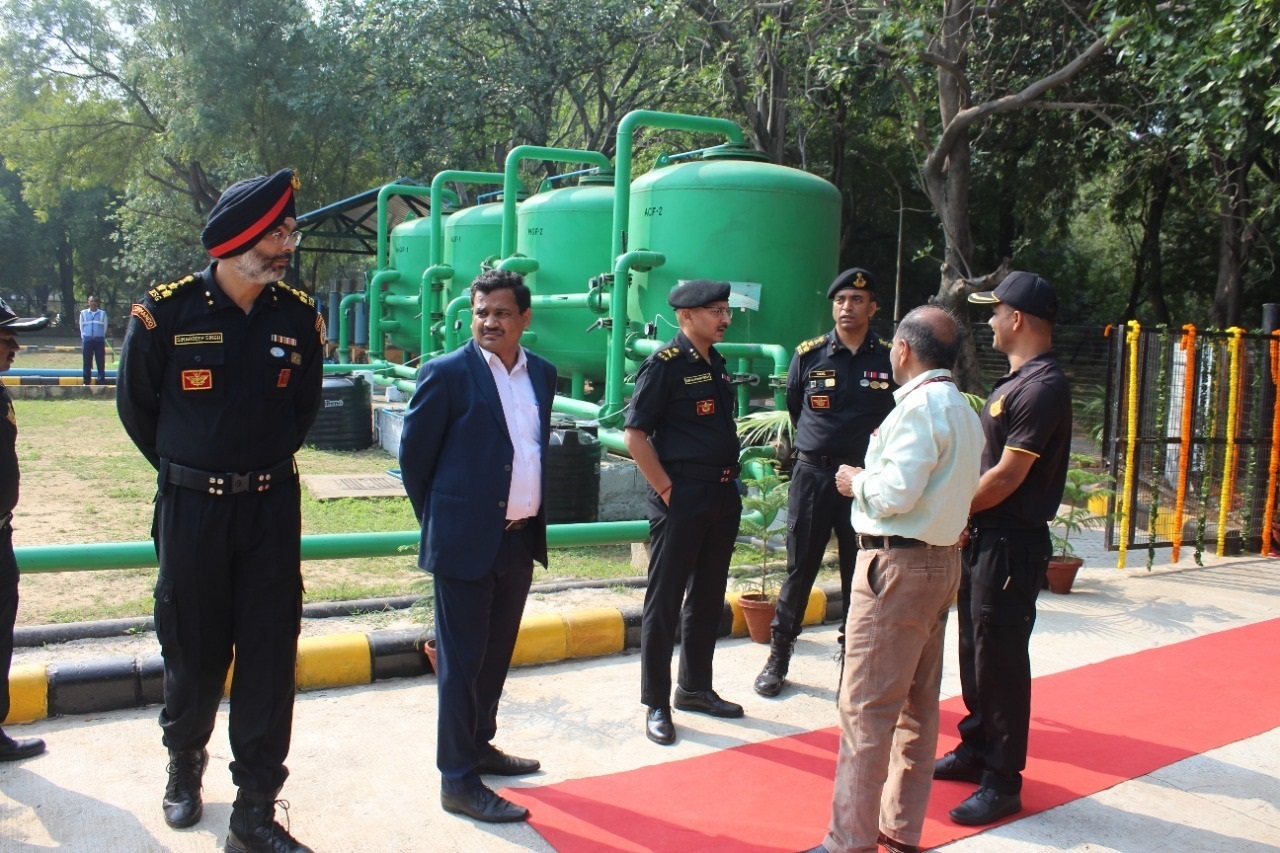
Many railways invest in on-site treatment plants equipped with physical, chemical, and biological processes to remove or neutralize contaminants from wastewater.Compliance with Environmental Regulations: Stringent environmental regulations govern wastewater discharge, specifying quality standards and permissible pollutant levels. Railways must adhere to these regulations to ensure responsible operations.
Embracing Sustainable Practices:
Water Conservation:
Implementing water-efficient technologies and processes across railway operations can significantly reduce wastewater generation.Wastewater Reuse: Treating and reusing wastewater for non-potable purposes such as irrigation or industrial processes minimizes environmental impact and conserves freshwater resources. Best Management Practices (BMPs): Adopting BMPs like spill prevention protocols, proper material handling, and regular training programs for railway personnel fosters a culture of environmental responsibility and minimizes accidental contamination.
Collaborative Approach for Success:
Effective wastewater management necessitates collaboration between railway authorities, environmental experts, and regulatory bodies. This collective effort facilitates the development and implementation of sustainable practices, ensuring responsible wastewater management while adhering to environmental regulations.By prioritizing comprehensive wastewater management strategies, railways can contribute to a cleaner and healthier planet while demonstrating their commitment to responsible and sustainable operations.
This revised version focuses on a professional tone, emphasizes the importance of regulations and collaboration, and incorporates relevant images to enhance understanding. I hope it effectively conveys the crucial role of professional wastewater management in the railway industry.
Railway operations generate diverse wastewater streams requiring effective treatment before discharge to the environment or municipal systems. The specific methodologies employed depend on the contaminant profile, necessitating a multi-faceted approach.
Treatment Stages:
1. Preliminary Treatment:
Screening: Eliminates large debris and solids to protect downstream processes. Oil and Grease Removal: A combination of skimming and gravity separation removes buoyant and heavier oils and grease.2. Primary Treatment:
Sedimentation: Suspended solids settle as sludge, facilitating their removal.3. Secondary Treatment:
Biological Treatment:
Microorganisms degrade organic pollutants in various systems like:Activated Sludge Processes:
Aerated tanks containing microbial cultures efficiently treat wastewater.Trickling Filters:
Wastewater trickles over media, promoting microbial growth and organic matter breakdown.4. Tertiary Treatment:
Filtration:
Sand or membrane filters remove fine particles for further refinement.Chemical Treatment:
Targeted chemicals precipitate or coagulate remaining impurities.Advanced Oxidation Processes (AOPs):
Degrade persistent organic pollutants using processes like UV irradiation.Disinfection:
Chlorination, UV disinfection, or ozonation eliminate or inactivate remaining pathogens and microorganisms.5. Specific Contaminant Removal:
Heavy Metal Removal:
Chemical Precipitation:
Specific chemicals form insoluble metal precipitates for removal.Ion Exchange:
Ion exchange resins selectively remove heavy metals from the wastewater.Nutrient Removal:
Phosphorus and Nitrogen Removal:
Chemical precipitation or biological methods effectively remove these nutrients.6. Additional Considerations:
Stormwater Management:
Practices are implemented to prevent contaminated runoff from polluting water sources.Onboard Wastewater Treatment:
Trains with onboard facilities may utilize holding tanks and treatment systems.Reuse and Recycling:
Opportunities for treating and reusing wastewater for non-potable purposes are explored.Compliance Monitoring:
Regular monitoring ensures treated wastewater meets environmental regulations.Collaboration and Expertise:
Railway operators partner with environmental engineers and specialists to design and implement effective treatment systems. This collaborative approach prioritizes environmental protection, regulatory compliance, and sustainable practices in managing railway wastewater. Ongoing maintenance and monitoring are crucial for the continued efficacy of these treatment processes.This revised version focuses on a professional tone, emphasizes key processes and technologies, and highlights the importance of collaboration and compliance. I hope it effectively conveys the complexity and importance of professional railway wastewater treatment.