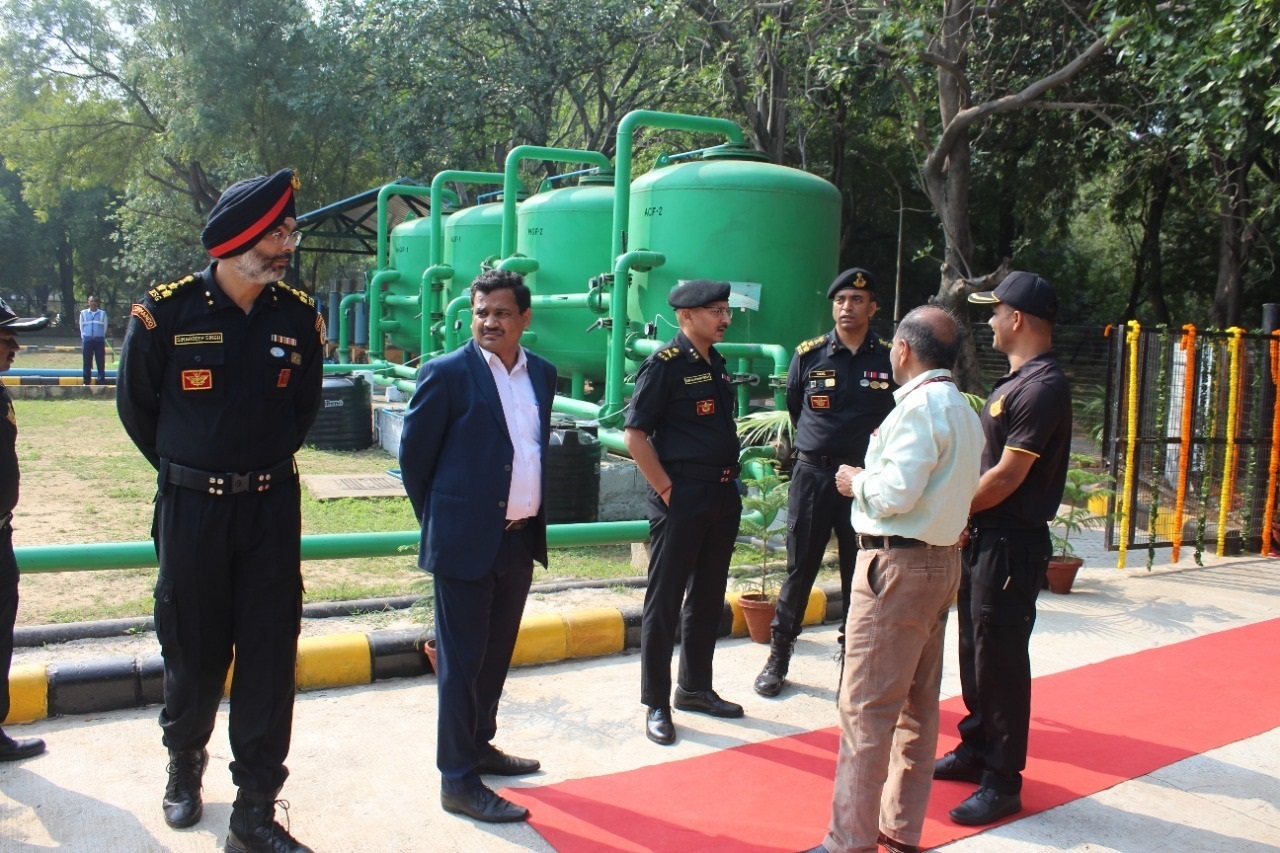
Power plants are energy-hungry giants, but their thirst goes beyond just fuel. Water plays a crucial role in various power plant processes, and its use generates a significant amount of wastewater. This wastewater, if not managed responsibly, can pose environmental threats. Let's delve into the types of wastewater generated in power plants, explore their management strategies, and understand the ongoing efforts towards sustainable practices.
The Two Main Categories:
Power plant wastewater falls into two broad categories: process wastewater and cooling water.
Process wastewater:
This arises from various internal processes like boiler blowdown and flue gas desulfurization (FGD).
Boiler blowdown:
To prevent the buildup of impurities in boilers, concentrated water is periodically removed. This "blowdown" water is rich in dissolved solids and requires treatment before discharge.
Flue gas desulfurization (FGD):
Coal-fired power plants use FGD systems to scrub harmful sulfur dioxide (SO2) from flue gases. The resulting wastewater contains dissolved metals and other pollutants, demanding proper treatment.
Cooling water:
Power plants use vast amounts of water for cooling purposes, primarily through two systems:
Once-through cooling:
Water is withdrawn from a source (river, lake, etc.), circulated through the plant, and then discharged back, potentially raising the water temperature and impacting aquatic life.
Closed-loop cooling:
Water is recirculated within the plant and cooled in a separate cooling tower, minimizing water withdrawal but still requiring some blowdown and evaporation.
Taming the Flow:
Wastewater Management Strategies
Managing power plant wastewater involves several crucial steps:
Treatment:
Wastewater undergoes various treatment processes like sedimentation, filtration, chemical neutralization, and biological degradation to remove contaminants and comply with environmental regulations.
Minimization:
Water conservation efforts like leak detection and repair, adopting water-efficient technologies, and optimizing processes play a vital role in reducing wastewater generation.
Reuse:
Exploring possibilities for reusing treated wastewater for tasks like irrigation or industrial processes can further minimize freshwater consumption.
Striving for Sustainability: The Path Forward
The quest for sustainable power generation extends beyond fuel sources. Minimizing the environmental footprint of wastewater is an ongoing challenge, and advancements in technology and practices are paving the way:
Membrane technologies:
Advanced membranes can efficiently remove contaminants from wastewater, reducing reliance on traditional treatment methods.
Zero liquid discharge (ZLD):
ZLD systems aim to eliminate wastewater discharge altogether by concentrating and solidifying pollutants for safe disposal.
Bioremediation:
Utilizing microorganisms to break down pollutants in wastewater offers a natural and eco-friendly treatment approach.
By embracing these advancements and continuously striving for improvement, power plants can ensure responsible water management and contribute to a cleaner future.
Remember, responsible wastewater management is not just an environmental imperative, but also crucial for the long-term sustainability of power generation itself. By understanding the types of wastewater, implementing effective treatment strategies, and embracing innovative technologies, power plants can ensure cleaner operations and contribute to a healthier planet.