
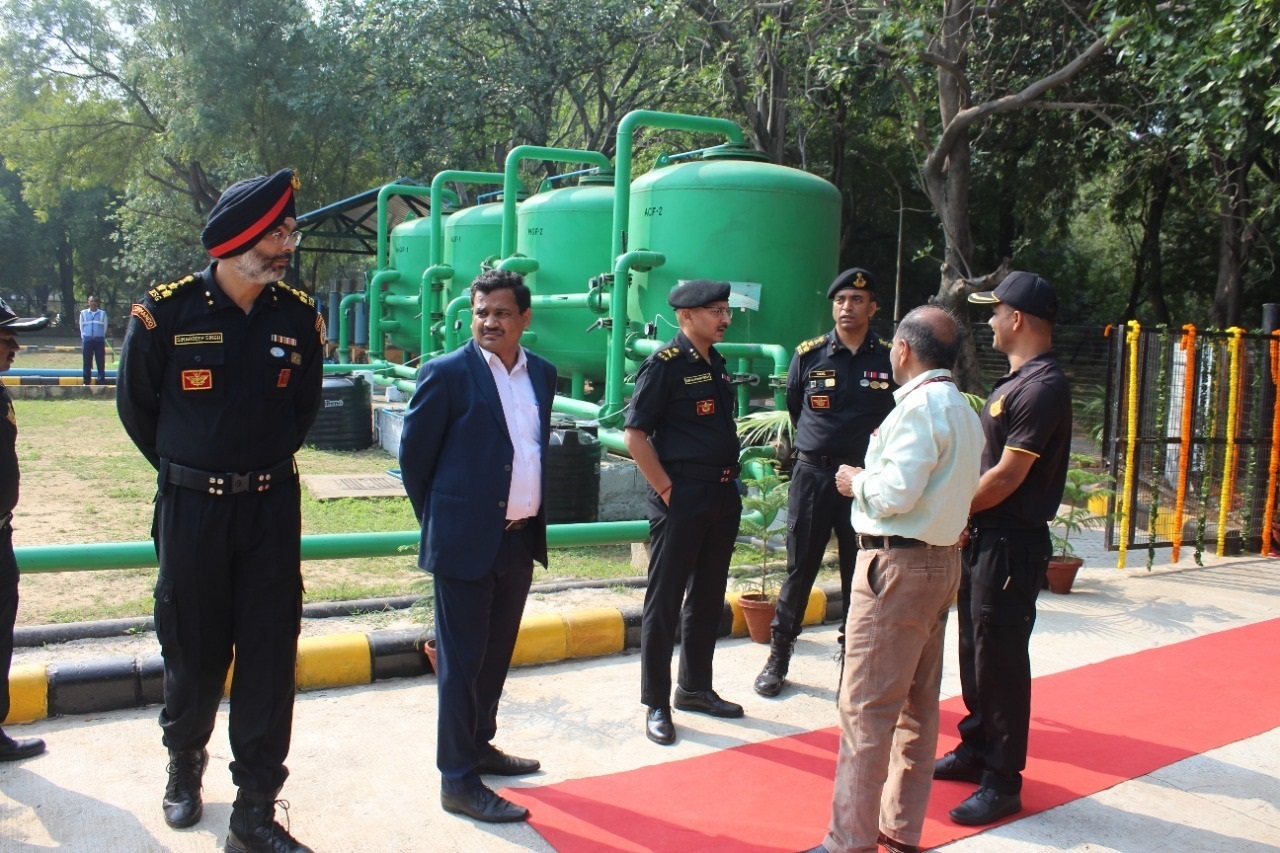
For the modern hotel industry, effective wastewater management is not just a regulatory requirement; it's a strategic imperative. Properly managing the diverse wastewater streams generated by guest rooms, kitchens, laundries, and recreational facilities minimizes environmental impact, optimizes resource utilization, and enhances brand reputation.
Understanding the Wastewater Landscape:
Guest Rooms:
Showers, sinks, and toilets contribute a significant volume of wastewater with organic matter and cleaning agents.Restaurants and Kitchens:
Grease-laden and food-contaminated wastewater from dishwashing, food preparation, and cleaning presents unique treatment challenges.Laundry:
High-volume wastewater with detergent residues requires efficient treatment infrastructure.Swimming Pools and Spas:
Backwashing and maintenance activities generate wastewater with specific chemical and suspended solids profiles.Investing in Treatment Solutions:
On-site Treatment Systems:
Implement technologies like septic tanks, aerobic treatment units, or membrane bioreactors to treat and purify wastewater before discharge. Collaborate with environmental engineers to design a system tailored to your hotel's specific needs and regulatory environment. Water Reuse and Recycling: Explore opportunities to treat and reuse wastewater for non-potable purposes such as irrigation, cooling towers, or toilet flushing. Greywater from showers and sinks often holds significant reuse potential.Optimizing Operations and Minimizing Impact:
Chemical Management: Implement green cleaning practices and utilize biodegradable products to minimize the chemical load on treatment systems. Preventative Maintenance: Regular inspections and proactive maintenance of treatment infrastructure ensure optimal performance and prevent environmental incidents.Empowering Teams and Building Partnerships:
Employee Training:
Train staff on proper waste disposal practices, water conservation initiatives, and the importance of responsible wastewater management. Regulatory Compliance: Stay informed about local and national wastewater regulations, secure necessary permits, and implement robust monitoring programs to track compliance and performance.Community Engagement:
Partner with local authorities and environmental organizations to showcase your commitment to sustainability and participate in collaborative initiatives.Leveraging Recognition and Building Brand Value:
Green Certifications: Pursue certifications like LEED or other eco-labels that recognize hotels committed to responsible wastewater management practices. By proactively embracing these strategies, hotels can transform wastewater management from a cost center into a driver of operational excellence, environmental stewardship, and enhanced brand reputation. Investing in sustainable wastewater solutions demonstrates your commitment to responsible tourism and positions your hotel as a leader in the industry's journey towards a greener future.This revised version further condenses the information, strengthens the focus on operational and brand benefits, and emphasizes the strategic importance of responsible wastewater management for hotels. I hope this aligns with your desired professional tone.
Treatment
Effective Wastewater Management:
A Cornerstone of Responsible HospitalityThe hotel industry faces the constant challenge of managing large volumes of wastewater generated by diverse daily operations. Responsible wastewater treatment is not only an environmental imperative but also a core component of sustainable hospitality practices. This involves a multi-stage process designed to remove contaminants, ensure compliance with environmental regulations, and explore water reuse possibilities.
The Treatment Journey:
Primary Treatment:
Initial stages focus on removing large debris and solid particles through screening and sedimentation.Secondary Treatment:
Biological processes employing microorganisms tackle organic matter. Popular methods include activated sludge systems, trickling filters, and rotating biological contactors.Tertiary Treatment:
Additional filtration removes finer suspended solids, followed by disinfection with chlorine, UV light, or ozone to eliminate harmful pathogens.Advanced Treatment:
Depending on local regulations and wastewater characteristics, advanced processes like membrane bioreactors or reverse osmosis may be necessary.Beyond Treatment:
Water Reuse:
Treated wastewater can be repurposed for non-potable uses like irrigation, landscaping, or cooling systems, reducing reliance on freshwater resources.Sludge Management:
Leftover solids are dewatered and appropriately disposed of, with some hotels exploring innovative possibilities like bioenergy or fertilizer production.Ensuring Success:
Monitoring and Control:
Continuous monitoring and automated control systems maintain optimal performance and compliance with environmental standards.Regular Maintenance:
Proactive maintenance of equipment and infrastructure minimizes disruptions and guarantees consistent treatment efficacy.Collaboration and Commitment:
Effective wastewater management necessitates collaboration between hotels, environmental engineers, consultants, and local authorities. By adhering to regulations, employing sustainable practices, and embracing technological advancements, hotels can become stewards of environmental responsibility and contribute to a cleaner future.This professional version utilizes formal language, avoids jargon where possible, and emphasizes the key themes of environmental responsibility, sustainability, and compliance. It also highlights the collaborative efforts and commitment required for successful wastewater management in the hotel industry.